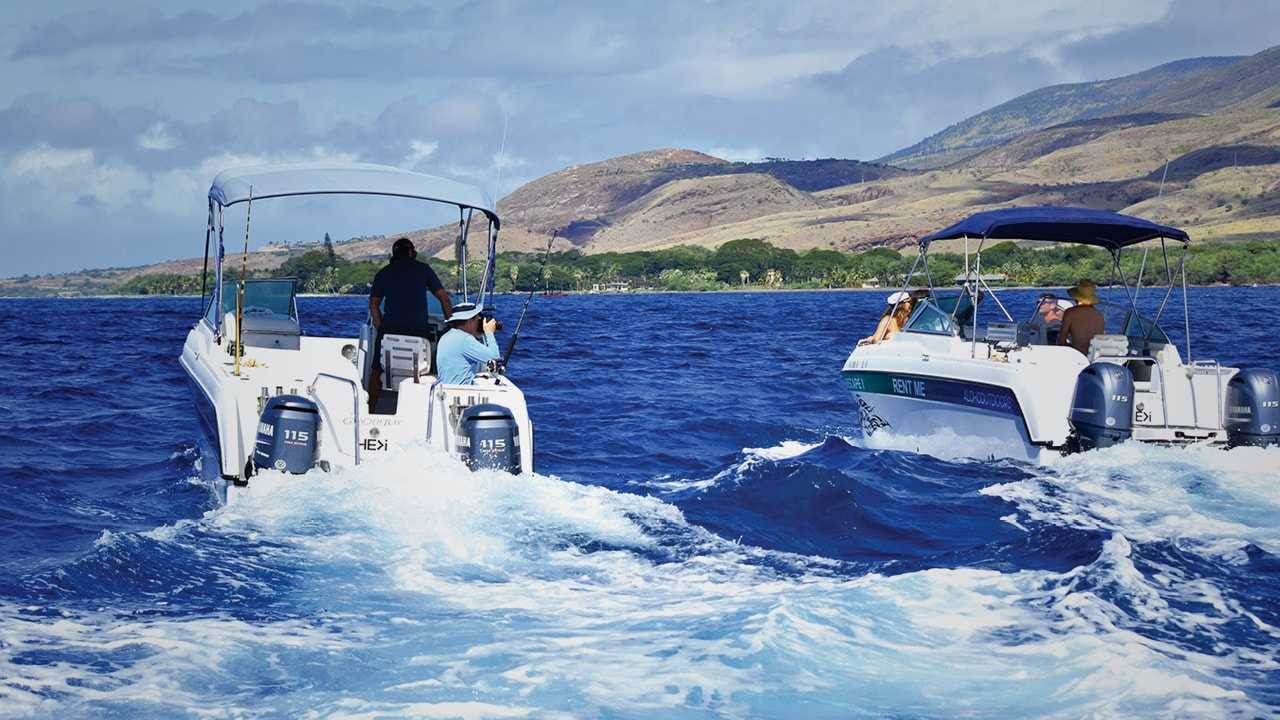
MAUI BOATING GUIDES
Maui Moorings: secure the boat, protect the reef.
A practical day-use mooring guide for qualified operators: finding an approved buoy, planning the approach, connecting correctly, and leaving the site better than you found it. Mooring buoys help keep anchors and chain away from fragile coral habitats.
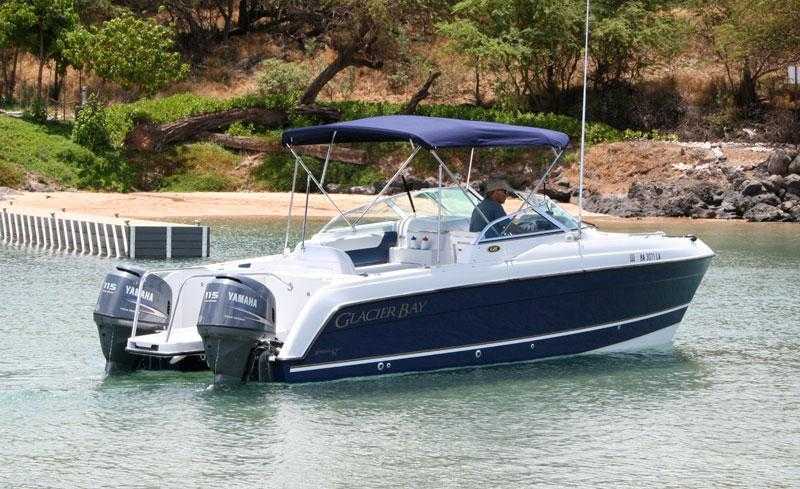
BEFORE ARRIVAL
Check charts and buoy status
Study the current Mālama Kai map and official boating restrictions. A charted buoy may be missing, damaged, occupied, or inappropriate for your vessel.
ON APPROACH
A controlled, low-speed pickup
Assign a lookout and bowline handler. Approach cautiously based on actual wind and current, avoiding swimmers, divers, reef and nearby vessels.
WHEN SECURED
Watch your swing circle
Fasten to a suitable bow cleat using an appropriate line and inspect for chafe. Allow clearance to other boats and reef as conditions change.
DAY-USE MOORING SEAMANSHIP
How to pick up a mooring safely
- Review the site first: locate the buoy on the official map and confirm permitted use, local restrictions, vessel suitability and room to maneuver.
- Brief your crew: identify the helmsman, lookout and bow handler. Have a boat hook and correctly sized bowline ready. Nobody enters the water or steps on an unsafe bow to retrieve a line.
- Approach at steerageway: keep the buoy in view and maintain control for actual wind and current. Never run a line across a turning propeller.
- Retrieve the proper pickup line: using a boat hook from a stable position if safe. Do not attach to weak floats, coral, or unapproved structures.
- Secure at the bow: follow the mooring equipment instructions and your vessel orientation. Avoid securing to a stern cleat or allowing slack to foul the props.
- Monitor while stopped: check the mooring, weather, line chafe and nearby water users. Keep engine readiness and an exit plan.
- Depart cleanly: retrieve your line, release without entering the water, and ensure all lines are clear before engaging propulsion.
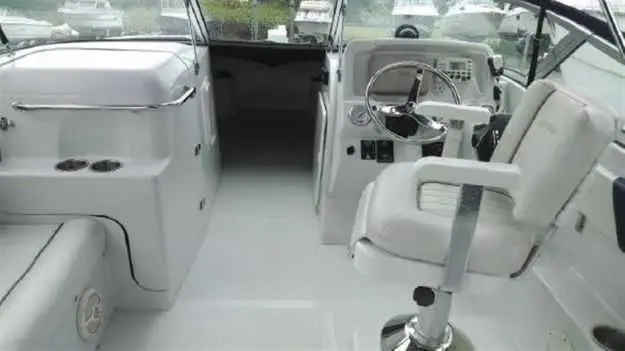
DO
Use authorized moorings
Verify site rules, stay aboard a supervised vessel, tend your line, protect wildlife, and leave space for other users.
DON’T
Never tie to coral
Do not anchor on living reef, load unverified gear, secure by the stern, foul the propeller, or leave a vessel unattended.
COURTESY
Share the buoy
State day-use moorings are first come, first served; when another vessel is waiting, the use limit is 2.5 hours. No overnight mooring except specified exceptions.
OFFICIAL SOURCES
Maui mooring maps, regulations and stewardship
The original hawaiimoorings.org reference now points users toward Mālama Kai Foundation resources. The live Hawaiʻi Day-Use Mooring Map has site locations; the program guidance summarizes rules. For legally controlling restrictions consult DLNR Division of Boating and Ocean Recreation and current Hawaiʻi Administrative Rules.
Important: Anchoring within 100 yards of a day-use mooring is generally prohibited. Where anchoring is permitted, choose sand, rock, or rubble without live coral; other site-specific restrictions may apply.